How to Track Fitness Progress (and What Actually Matters)
Only about 47 percent of US adults met the federal aerobic activity guideline in 2024, according to the CDC's most recent data. If you're in the majority still working on consistency, the scale alone won't tell you whether what you're doing is actually working. Here's how to track fitness progress in a way that reflects real change.
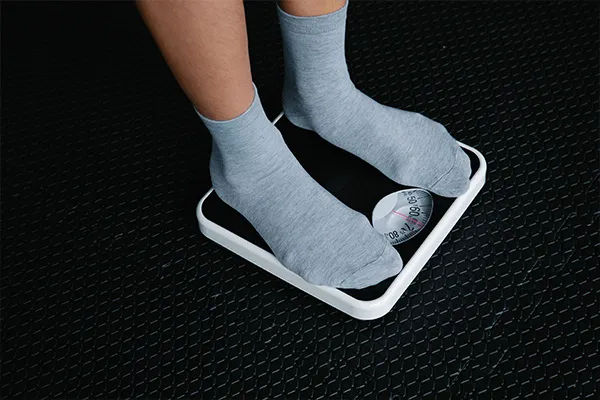
Why the scale alone is a poor tracker
Body weight fluctuates daily for reasons that have nothing to do with fitness progress - hydration, sodium intake, hormonal cycles, even how recently you ate. Someone building strength and losing fat can see the scale barely move, or even tick up slightly, while making real progress. Tracking weight alone, especially daily, tends to create frustration that doesn't match what's actually happening in the body.
What actually reflects progress
A few measures tend to hold up better over time: how much weight you can lift for a given exercise, how many reps you can complete with good form, how a specific movement feels (easier, more controlled, less painful), and how your clothes fit in specific areas. None of these are perfect alone, but together they paint a much more honest picture than a single number on a scale.
Tracking for a specific goal
What you track should match what you're actually trying to achieve. If the goal is strength, track the weights and reps on your key lifts. If it's endurance, track distance, pace, or how you feel at a given effort level over time. If it's pain-free movement after an injury, track specific functional milestones (can you climb a flight of stairs without discomfort, can you sleep through the night without waking from pain) rather than a generic fitness number that has nothing to do with your actual goal.
How often to actually check in
Daily tracking of almost anything tends to create noise rather than signal, because day-to-day variation is normal and often meaningless. Weekly or biweekly check-ins on your chosen metrics usually give a clearer picture of the real trend, without the whiplash of reading too much into any single day.
Simple ways to actually track it
You don't need specialized software to track any of this well. A basic notes app, a simple spreadsheet, or even a notebook works fine for logging weights, reps, and how a session felt, as long as you're actually looking back at it rather than just writing it down and moving on.
Progress photos, taken in the same lighting and position every few weeks, can also catch changes that measurements and the scale both miss, particularly body composition changes that happen before the scale reflects them. The specific tool matters far less than picking one you'll actually use consistently and reviewing on a regular schedule.
If you train with a coach or physical therapist, it's worth asking them what they'd actually track for your specific goal, rather than defaulting to whatever a general fitness app highlights by default. The app's default dashboard is built for a broad audience, not your specific situation.
Frequently Asked Questions
Should I track my fitness progress every day?
Generally, no - daily numbers bounce around for reasons unrelated to real progress. Weekly or biweekly tracking usually shows the actual trend more clearly.
What's a realistic timeframe to expect to see measurable progress?
For most consistent training, meaningful changes in strength or endurance markers are often noticeable within 4 to 8 weeks, though this varies by starting point and goal.
Is it worth using a fitness tracker or app?
Tools can help with consistency and record-keeping, but the specific tool matters far less than tracking something that actually reflects your goal and reviewing it regularly rather than letting the data pile up unused.
Not sure what you should actually be tracking for your specific goals? A real evaluation can help identify the measures that actually matter for where you're starting from and where you're trying to go. Working with a specific injury history? Read "Sports Injury Treatment: What to Do in the First 48 Hours" |