Cupping Therapy Benefits: Why Dynamic Cupping Is Different
Cupping gets a lot of attention for the circular marks it leaves behind, but the actual technique, and what it can and can't do, is less talked about. Here's an honest look at cupping therapy benefits, including where the evidence is solid and where it's still thin, plus why dynamic cupping specifically is a different tool than the passive version most people picture.
What cupping actually is
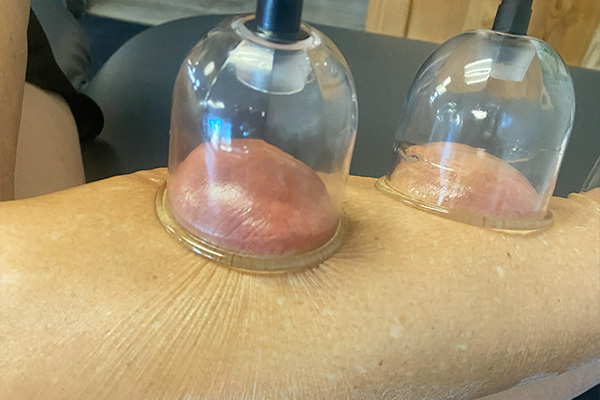
Cupping uses suction, created by placing cups on the skin, to lift soft tissue away from the muscle and fascia underneath. The idea is to relieve tension, improve local blood flow, and loosen tissue that's become restricted, similar in some ways to a deep tissue massage but working from the opposite direction - lifting rather than pressing.
What the evidence actually supports
The National Institutes of Health's Center for Complementary and Integrative Health is direct about this: cupping may help reduce pain, but the evidence for that isn't very strong, and most existing research on it is low quality. That's not a reason to dismiss it outright, plenty of hands-on manual therapies share this same research gap, but it is a reason to treat cupping as one supportive tool within a broader plan rather than a stand-alone fix with guaranteed results.
What makes dynamic cupping different
Traditional cupping is typically passive - the cups are placed and left in position while you stay still. Dynamic cupping instead involves movement while the cups are applied, actively moving the joint or muscle group being treated. This can help address restriction that shows up specifically during motion, not just at rest, which is often more relevant for someone trying to get back to a sport, a workout, or simply moving through daily life without restriction.
How it fits into a real treatment plan
Cupping, dynamic or otherwise, tends to work best as a complement to other treatment, not a replacement for it. It's often used alongside massage therapy or physical therapy to help address tissue restriction before or after strengthening work, rather than as the entire plan on its own.
What a typical session actually looks like
A session usually starts with a quick conversation about what you're dealing with and any areas that feel particularly tight or restricted. Cups are then applied to the relevant area, either left in place for a passive session or moved through a range of motion for the dynamic version, typically for several minutes per area.
Afterward, it's common to feel a sense of looseness in the treated area, along with the visible marks mentioned earlier. Most people can return to normal activity right away, though a provider may suggest easing into more intense training the same day if the area was particularly tight beforehand.
How long a single session runs, and how many areas get treated, depends on what's being addressed - a quick, targeted session focused on one tight spot looks different from a broader session covering multiple areas as part of a larger recovery plan.
Frequently Asked Questions
Does cupping hurt?
Most people describe a pulling or tightness sensation rather than pain. The marks it can leave (similar to a bruise) are generally not painful and fade over several days to a couple of weeks.
How long do the marks last?
Typically anywhere from a few days to about two weeks, depending on the person and how much suction was used.
Is cupping safe for everyone?
It's not appropriate for certain conditions, including some skin conditions, blood clotting disorders, and during pregnancy in certain areas. Worth mentioning your full health history before a session.
Can cupping be combined with the same visit as a physical therapy session?
Often, yes - it's frequently used as one part of a broader visit rather than requiring an entirely separate appointment. Whether that makes sense for you depends on what's being treated, which is worth discussing directly with your provider.
Curious whether cupping fits into your recovery plan? It's worth discussing alongside the rest of what's going on, not as a one-off add-on. Let's talk through it. Comparing it to massage first? See our Massage Therapy service page |