


True Health and Performance
Hip & Knee Pain in Kearney
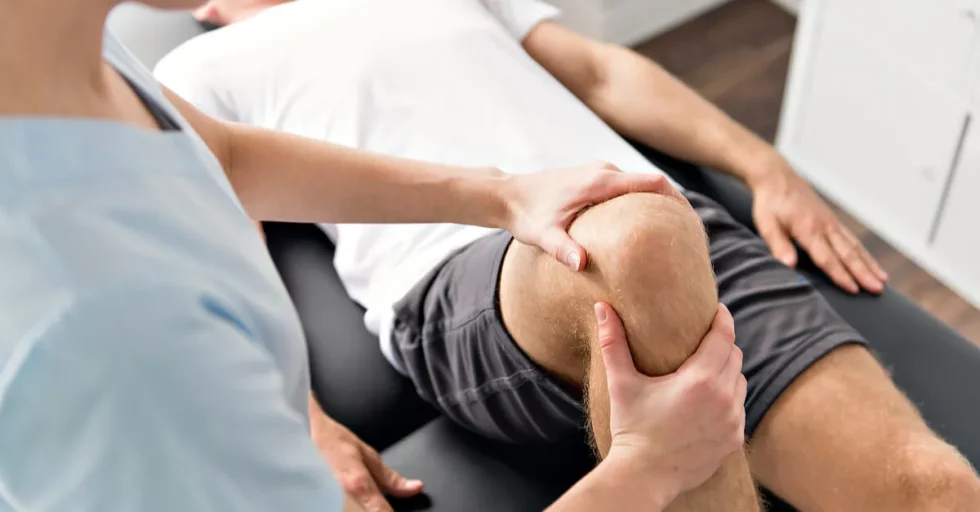
Relieve Hip & Knee Pain in Kearney
Do daily activities like walking the dog or grocery shopping leave your knees achy? Do you struggle to get comfortable at night due to hip stiffness? Localized joint damage or overall wear and tear takes a toll over time. The integrated care team at True Health and Performance helps accurately pinpoint the factors driving hip and knee pain so customized, progressive treatment can begin easing damage before it becomes permanent.
What Factors Provoke Hip and Knee Pain in Kearney?
The hip and knee endure tremendous repetitive multidirectional stresses daily from walking, bending, rotating and even sitting leading to accumulated microtrauma over years making them vulnerable to alignment faults, muscle imbalance and gradual inflammatory damage overtime.
Some frequent causes of lower limb symptoms include:
1. Abnormal Mechanics
- Muscular asymmetry from a short, tight hip flexor or weak gluteals alter weight distribution abnormally across the pelvis and into the knees, gradually stressing stabilizing structures and causing bursitis or tendonitis. Small leg length differences as little as 1 cm also substantially impact joint loads.
2. Repetitive Impact
- Running and jumping activities transmit multiples of body weight into cartilage and supportive ligaments with each stride, eventually inflaming these tissues over time if strength, flexibility, and impact moderation techniques fail to progress properly.
3. Arthritic Changes
- Following years of athletic training or occupational obligations involving heavy lifting, thinning of protective cartilage emerges along with bony spur formation and ligamentous thickening, profoundly affecting smooth mobility by locking movement up mechanically.
Carefully isolating the exact perpetuating factors at the root of hip and knee pain through our advanced clinical and imaging diagnostics allows the design of targeted treatment plans optimizing recovery.

Justeen Ruggles

My son (14yr old) had an iliac crest avulsion fracture from playing soccer. Pete was very kind and knowledgeable with all aspects of his care. He answered many questions, provided great feedback and made each session specific to what my son needed. It’s been a wonderful experience in a not so fun situation. I am so glad we came to Pete for this and will recommend him and use him when it’s needed in the future.

Brandon Moore
True Performance is the only place I’ll go for body maintenance. Over years of sports and general wear and tear my body naturally started having issues. I started seeing Pete years ago and he has helped me stay pain-free over the years. Just recently when I had an old injury flare up, I scheduled an appointment with Pete and after one session I noticed an incredible difference. They gave me home workouts and stretches so I could continue to improve outside of my sessions. Each therapy session has been focused on my pain points and does not go beyond my capabilities. Pete, Kyla, and the team at True Performance are second to none and are committed to ensuring the best for their patients. Highly recommend!!
Personalized Hip & Knee Pain Solutions in Kearney
We offer customized, integrative interventions supported by multiple healing disciplines for optimal long-term relief of hip and knee discomfort based on each patient’s unique injury profile:
- Osteopathic Manual Therapy – Advanced hands-on techniques gently improve sliding mobility between hip joint, pelvis and lumbar vertebrae that become restricted from postural strain. This also relieves adhesive myofascial trigger points causing referred discomfort patterns down the thigh.
- Physical Therapy – Targeted therapeutic exercises focused on flexibility, strength, neuromuscular retraining and gait mechanics progressively retrain optimal movement control. This restores coordination imperative for smooth limb loading minimizing asymmetry.
- Injury Prevention – Finally we provide invaluable client education on ideal warm-up/cool-down performance, selecting appropriate athletic footwear constructed for individual foot proportions and building impact tolerance progressively through sensible training regimens.
This integrative treatment formula combines rehabilitative and preventative protocols matched to each patient’s presentation and goals – halting damage while proactively avoiding future pain cycles exacerbating joint breakdown.
FAQs: Hip & Knee Pain Questions Answered
What causes hip and knee pain concurrently?
The hip and knee share several muscular connections and neural links. At the most basic level, chronic hip stiffness or surgical changes can cause overcompensation and asymmetric movement increasing load on the other side of the knee leading to breakdown overtime.
Why would I feel pain radiating from hip down to the knee?
The sciatic nerve runs directly from the lower spine and pelvis down the back of leg controlling hip flexion and knee extension. When Compressed by muscle spasm or spinal joint dysfunction, electric pains along this path result. Precise manual therapy alleviates irritation.
When is hip/thigh/leg pain concerning and warrants assessment?
Any falls resulting in swelling or bruising especially with notable movement limitations following the incident should prompt evaluation to rule out fractures given complications risk if stability is compromised healing. Lingering pain lasting months even with rest also deserves further diagnostics before permanent damage sets in.
How can I eliminate this recurring knee/hip ache?
Our multi-disciplinary specialists team performs comprehensive assessments identifying mechanical alignment issues or inflammatory causes to pinpoint customized treatment involving gentle mobilization to loosen adhesion between joint surfaces, targeted strengthening exercises to reinforce stability after atrophied from strain patterns and lifestyle guidance on ideal preparation, activity pacing and recovery integration for lasting results.
About The Author
Pete Trujillo, a licensed a licensed physical therapist for over 10 years, empowers patients to unlock their full potential in advanced training in orthopedics and manual therapy. Years of experience fuels their passion for helping individuals reclaim vibrant lives. At True Health and Performance in Kearney, Pete Trujillo combines innovative techniques with personalized care, tackling a broad spectrum of physical challenges.
Start Recovery Today
If hip or knee pain hinders your quality of life or training performance, True Health and Performance offers integrated solutions combining therapeutic and preventative protocols so you keep actively enjoying recreational pursuits pain-free. Call us or request an evaluation to have us accurately diagnose what structures need care. Our proven approach helps optimize outcomes so you continue pursuing passions unencumbered by joint discomfort.
Next Step: Book Your Assessment for Hip & Knee Pain in Kearney
Ready to uncover what’s driving hip or knee discomfort so the best possible treatment plan starts immediately? Call us to schedule a comprehensive lower extremity evaluation surveying all contributory factors carefully. Let’s resolve this progressively worsening pain completely.